The guide
Do not reduce it to the summit.
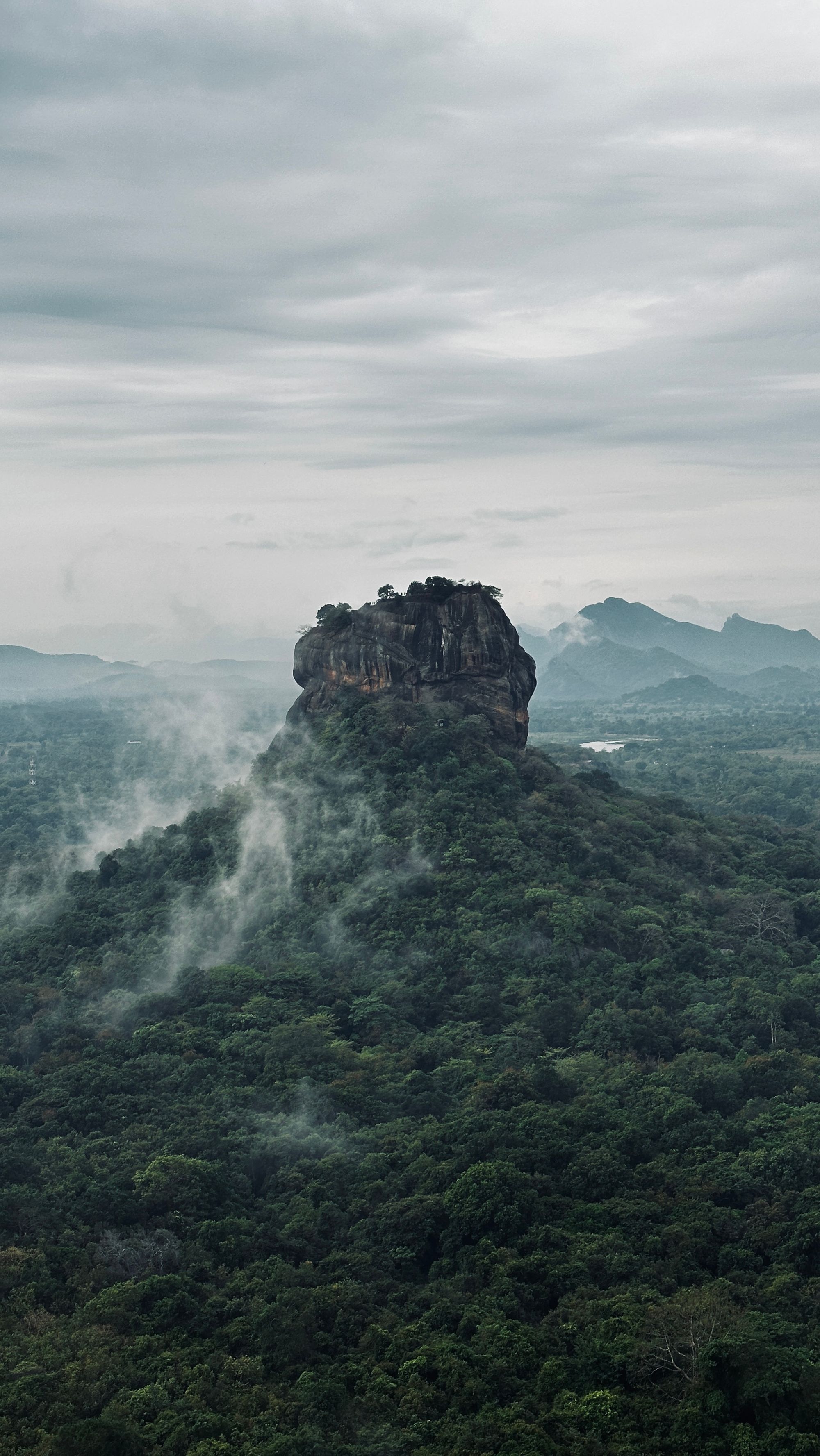
Sigiriya is often marketed as a rock climb with a dramatic photograph at the top. That framing misses the designed approach: defensive and symbolic boundaries, water gardens, boulder gardens, terraces, stair sequences, painted surfaces, and the changing relationship between the rock and the plain.
Allow time to understand the site from ground level. The water gardens and approach establish the scale and intent of the place before the vertical ascent begins.
What the climb asks of you
The ascent includes many stairs, exposed sections, heat, crowds, and limited shade. Conditions can be difficult for visitors with vertigo, heat sensitivity, reduced mobility, or certain health conditions. An early start may reduce heat and crowding, but current opening arrangements must be verified.
Do not stop abruptly or block narrow stairways for photography. Follow the flow of visitors and site instructions, especially around sensitive painted areas.
The wider base matters
Sigiriya works well as part of a Cultural Triangle stay rather than an isolated transfer. Nearby and connected possibilities may include Dambulla, Polonnaruwa, Anuradhapura, Ritigala, village landscapes, or wildlife areas—but combining them depends on your pace and actual transfer conditions.
A slower traveller can use the region to compare different periods, settlement patterns, sacred landscapes, and ecological zones rather than collecting monuments.
Responsible visit
- Follow current archaeological-site instructions and photography restrictions.
- Do not touch painted, carved, or fragile surfaces.
- Carry water responsibly and remove what you bring.
- Avoid feeding or provoking wildlife encountered around the site.
- Use licensed, informed guides when you want deeper historical interpretation.
- Verify current tickets, opening times, closures, and access conditions before travelling.